
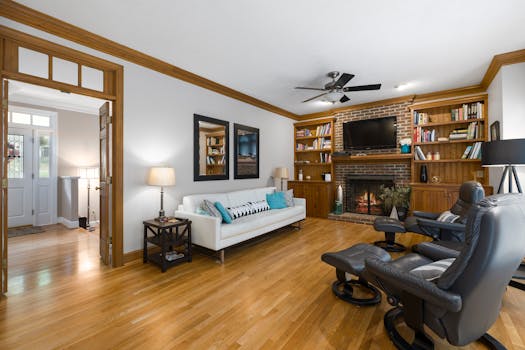

I still remember the first time I stepped into a truly curated home library. It wasn’t just the towering shelves groaning with volumes; it was the feeling. A sense of quiet contemplation, of stories waiting to unfold, and a palpable connection to the owner’s personality. It struck me then that a home library is far more than a storage solution for books. It’s a sanctuary, a reflection of one’s inner world, and a space designed to inspire and comfort. When we talk about home library design, we’re really talking about creating an ecosystem for knowledge, imagination, and personal growth.
The Soul of Your Sanctuary: Defining Your Library’s Purpose
Before a single shelf is hung or a rug is chosen, it’s crucial to consider the why behind your library. Is it a hushed retreat for serious academic study, a vibrant hub for family story time, or a cozy nook for late-night reading marathons? The intended use will dramatically shape every design decision.
#### Is It for Deep Dives or Casual Browsing?
Academic & Research: If your library is for scholarly pursuits, think about optimal lighting for focused reading, ample desk space, and perhaps integrated technology for digital research. Comfortable, supportive seating is paramount here.
Family & Entertainment: For a family-friendly space, consider more casual seating options like beanbags or floor cushions, along with durable shelving that’s accessible to all ages. Integrated games or a small play area might also be a welcome addition.
Quiet Escape: If your goal is pure relaxation, focus on plush seating, soft, ambient lighting, and perhaps a fireplace or other elements that promote a sense of calm and tranquility.
Understanding this core purpose is the bedrock of any successful home library design. It guides everything from furniture selection to color palettes.
Unlocking the Walls: Innovative Storage Solutions
The bookshelves are, of course, the heart of any home library, but their design can be so much more than simple rectangles. Think creatively about how your books can become an integrated, beautiful part of the architecture.
#### Beyond the Standard Shelving Unit
Built-in Wonders: Custom-built shelving, designed to fit specific alcoves or walls, offers a seamless look and maximizes every inch of space. Consider varied shelf depths and heights to accommodate different book sizes and decorative items.
Floating and Modular: Floating shelves can create a lighter, more airy feel, while modular systems offer flexibility for future expansion or reconfigurations. These can be particularly effective in smaller spaces.
The Unexpected Nook: Don’t underestimate the power of a window seat with integrated shelving beneath, or a repurposed fireplace alcove. These can become charming, intimate reading spots.
The Statement Piece: Sometimes, a single, architecturally striking bookshelf can act as the room’s focal point, drawing the eye and adding a dramatic flair.
Remember, the goal isn’t just to house your collection, but to display it in a way that sparks joy and invites exploration.
Lighting: The Ambiance Architect
Lighting is arguably one of the most crucial, yet often overlooked, elements of home library design. It’s not just about illumination; it’s about setting the mood and ensuring comfort for extended reading sessions.
#### Layers of Light for Every Mood
Ambient Lighting: This is your general room light. Think soft, diffused overhead fixtures or wall sconces that provide an even glow without harsh shadows. Dimmers are your best friend here, allowing you to adjust the mood.
Task Lighting: Essential for reading, task lighting typically comes in the form of adjustable floor lamps or desk lamps positioned precisely where you need them. Look for bulbs that mimic natural daylight for reduced eye strain.
Accent Lighting: Consider spotlights or small lamps to highlight specific bookshelves, art pieces, or architectural features. This adds depth and visual interest to the room.
In my experience, a well-lit library feels inviting and comfortable, encouraging you to linger. Too little light can make a space feel dingy, while too much can feel clinical. Finding that balance is key.
The Comfort Equation: Seating and Soft Furnishings
A library is a place to be. Therefore, the seating arrangements and soft furnishings are not an afterthought but a critical component of the home library design strategy. Comfort is king.
#### Creating Cozy Corners and Inviting Lounges
The Armchair Archetype: Invest in a comfortable, well-supported armchair or sofa that you can sink into for hours. Consider the fabric – something soft and inviting, yet durable.
Multi-functional Seating: Poufs, ottomans, and floor cushions offer flexible seating options, perfect for accommodating extra guests or for a more relaxed, informal reading posture.
The Power of a Throw and Pillows: Don’t underestimate the impact of soft throws and decorative pillows. They add warmth, texture, and a personal touch to your seating areas, making them even more inviting.
Area Rugs: These not only define seating zones but also add warmth, absorb sound, and contribute to the overall aesthetic of the room.
Think about how you naturally want to relax and read. Do you prefer to curl up with your legs tucked, or do you need ample space to stretch out?
Beyond the Books: Adding Personality and Functionality
A truly exceptional home library transcends mere functionality; it becomes a reflection of the owner’s passions and interests. This is where thoughtful curation truly shines.
#### Elevating the Everyday with Personal Touches
Art and Decor: Integrate artwork, photographs, or cherished mementos that resonate with you. These can be placed on shelves, hung on walls, or displayed on side tables.
Greenery: Plants can breathe life into any space, and a library is no exception. Choose low-maintenance varieties that thrive in indoor conditions.
Aromatherapy: Consider subtle scents like lavender or sandalwood through diffusers or scented candles (used safely, of course!) to enhance the calming atmosphere.
The Essential Desk: If your library serves a dual purpose for work or writing, a well-designed desk is non-negotiable. Ensure it complements the overall aesthetic and offers adequate workspace.
A Dedicated Reading Lamp: This isn’t just about light; it’s about creating a specific zone for focus. A beautiful, functional reading lamp can be both practical and decorative.
One thing I’ve learned is that the most memorable libraries are those that feel lived-in and personal, rather than sterile showroom perfect.
Weaving in Technology Seamlessly
In today’s world, a modern home library might need to accommodate technology. The key is to integrate it without detracting from the room’s primary purpose.
#### Smart Integration, Not Intrusions
Hidden Charging Stations: Conceal charging ports within furniture or behind decorative panels to keep devices powered without unsightly cords.
Discreet Speakers: If you enjoy listening to audiobooks or ambient music, consider integrated ceiling speakers or stylish Bluetooth speakers that blend into the decor.
E-reader Accessibility: While physical books are often the stars, ensure comfortable seating and adequate lighting for tablet or e-reader use if that’s part of your reading habits.
The aim is to have technology enhance your library experience, not dominate it.
Wrapping Up: Your Personal Literary Haven
Creating a home library is an intimate journey of self-expression. It’s about more than just arranging books; it’s about designing a space that nurtures your mind, soothes your soul, and sparks your imagination. By considering the purpose, embracing innovative storage, mastering the art of lighting, prioritizing comfort, and infusing your personal touch, you can transform a simple room into a sanctuary that tells your unique story, one page at a time. The principles of excellent home library design are about creating an environment that resonates deeply with its inhabitant, inviting endless hours of discovery and delight.